



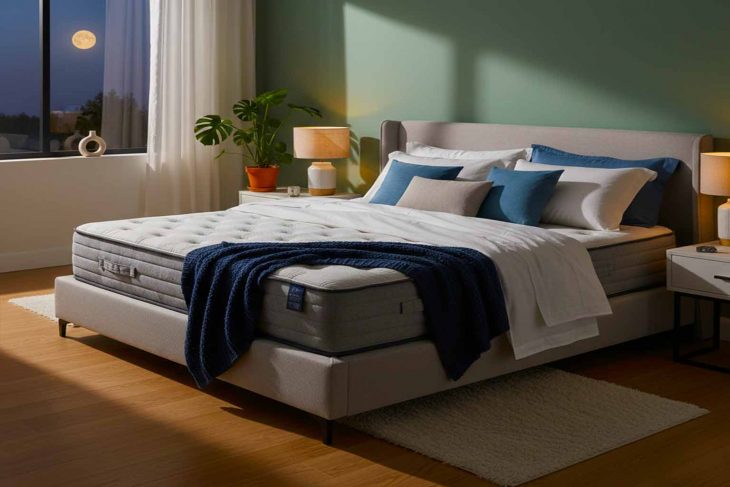
Ever wondered what makes a mattress so important? Mattresses are more than just a place to sleep. They impact health, mood, and even productivity. Did you know the average person spends about a third of their life sleeping? That’s roughly 26 years! Choosing the right mattress can mean the difference between waking up refreshed or feeling like a zombie. From memory foam to innerspring, each type offers unique benefits. Some mattresses even have cooling technology to help hot sleepers. Whether you’re a side sleeper, back sleeper, or stomach sleeper, there’s a perfect mattress out there for you. Ready to learn more? Let’s dive into 35 fascinating facts about mattresses!
Key Takeaways:
- Mattresses have evolved from simple plant layers to high-tech designs like memory foam and adjustable beds, improving comfort and health benefits like better sleep and pain relief.
- Choosing the right mattress depends on your sleep style, and proper care like rotating and protecting it can make your mattress last longer and keep you comfy every night.
The History of Mattresses
Mattresses have a fascinating history that spans thousands of years. From ancient civilizations to modern innovations, the evolution of mattresses is full of interesting insights tied closely to sleep patterns across cultures.
- The earliest known mattresses date back to around 77,000 years ago. Early humans in South Africa used layers of plant material to create sleeping surfaces.
- Ancient Egyptians slept on palm boughs heaped in the corners of their homes. Wealthier Egyptians used raised wooden beds with woven reeds.
- The Romans were among the first to use stuffed mattresses. They filled them with materials like wool, hay, and feathers.
- During the Renaissance, mattresses were made of pea shucks, straw, or feathers stuffed into coarse ticks.
- In the 18th century, mattresses began to be stuffed with cotton or wool. This was a significant improvement in comfort and hygiene.
Mattress Innovations
Over the years, technological advancements have led to significant improvements in mattress design and comfort.
- The innerspring mattress was invented in 1871 by Heinrich Westphal. This design used metal coils to provide support and comfort.
- Memory foam, originally developed by NASA in the 1960s, was introduced to the mattress market in the 1990s. It revolutionized sleep comfort by contouring to the body.
- Latex mattresses, made from natural or synthetic rubber, offer a durable and hypoallergenic option for sleepers.
- Hybrid mattresses combine innerspring coils with foam or latex layers, providing the benefits of both types of materials.
- Adjustable beds, which allow users to change the position of the mattress, have become increasingly popular for their customizable comfort.
Mattress Materials
The materials used in mattresses play a crucial role in their comfort, durability, and overall performance, directly affecting the human body during rest.
- Cotton is a common material used in mattress covers and padding. It is breathable and soft, providing a comfortable sleep surface.
- Wool is often used in mattresses for its natural temperature-regulating properties. It keeps sleepers warm in winter and cool in summer.
- Latex, derived from rubber trees, is known for its durability and resilience. It provides excellent support and pressure relief.
- Memory foam, made from polyurethane, conforms to the body’s shape, offering personalized support and comfort.
- Innerspring coils, made from steel, provide support and help distribute weight evenly across the mattress.
Health Benefits of Mattresses
A good mattress can have a significant impact on overall health and well-being. Research-based sleep health guidance highlights how sleep surfaces influence long-term outcomes. Here are some health benefits associated with quality mattresses.
- A supportive mattress can help alleviate back pain by maintaining proper spinal alignment.
- Mattresses with pressure-relieving materials, like memory foam, can reduce pressure points and improve circulation.
- Hypoallergenic mattresses, such as those made from latex, can reduce allergy symptoms by preventing the buildup of dust mites and other allergens.
- A comfortable mattress can improve sleep quality, leading to better overall health and increased energy levels.
- Adjustable beds can help with conditions like acid reflux and sleep apnea by allowing users to elevate their upper body.
Fun Facts About Mattresses
Mattresses aren’t just about sleep and comfort; they also have some fun and quirky aspects.
- The world’s largest mattress, created in 2015, measured 86 feet long and 54 feet wide. It was made in the Netherlands.
- The average person spends about one-third of their life sleeping, making a good mattress essential for overall well-being.
- In Japan, traditional futon mattresses are rolled up and stored away during the day to save space.
- The term “mattress” comes from the Arabic word “matrah,” which means “something thrown down” or “place where something is thrown.”
- Mattress flipping used to be a common practice to extend the life of a mattress. However, many modern mattresses are designed to be one-sided.
Mattress Care and Maintenance
Proper care and maintenance can extend the life of a mattress and ensure it remains comfortable and supportive.
- Using a mattress protector can help prevent stains and protect against allergens.
- Regularly rotating the mattress can help prevent uneven wear and prolong its lifespan.
- Vacuuming the mattress every few months can remove dust, dirt, and allergens.
- Allowing the mattress to air out by removing bedding for a few hours can help reduce odors and moisture buildup.
- Following the manufacturer’s care instructions can ensure the mattress remains in good condition for years.
Mattress Shopping Tips
Choosing the right mattress can be a daunting task, but these tips can help make the process easier.
- Consider your sleeping position when choosing a mattress. Side sleepers may prefer softer mattresses, while back and stomach sleepers may need firmer support.
- Test the mattress in-store by lying on it for at least 10-15 minutes to get a feel for its comfort and support.
- Look for mattresses with trial periods and return policies, so you can test them at home without risk.
- Pay attention to the warranty and understand what it covers. A good warranty can provide peace of mind and protect your investment.
- Don’t be swayed by high prices. A more expensive mattress isn’t always better. Focus on finding a mattress that meets your comfort and support needs.
Sleep Tight with Mattress Knowledge
Knowing these 35 facts about mattresses can help you make smarter choices for a good night’s sleep. From understanding different materials to recognizing the importance of regular cleaning, you’re now equipped to pick the perfect mattress. Remember, a good mattress isn’t just about comfort; it’s about health, too. Poor sleep can lead to various health issues, so investing in a quality mattress is crucial.
Don’t forget to rotate your mattress regularly to extend its life. Also, consider your sleeping position when choosing a mattress. Side sleepers might need something different than back sleepers. Lastly, always check for warranties and return policies before making a purchase. These small steps can make a big difference in your sleep quality. So, sleep tight and enjoy the benefits of a well-chosen mattress!
Frequently Asked Questions
Was this page helpful?
Our commitment to delivering trustworthy and engaging content is at the heart of what we do. Each fact on our site is contributed by real users like you, bringing a wealth of diverse insights and information. To ensure the highest standards of accuracy and reliability, our dedicated editors meticulously review each submission. This process guarantees that the facts we share are not only fascinating but also credible. Trust in our commitment to quality and authenticity as you explore and learn with us.